Navigating Humanity's Edge: Wisdom, Empathy, and the New Smart in the AI Era
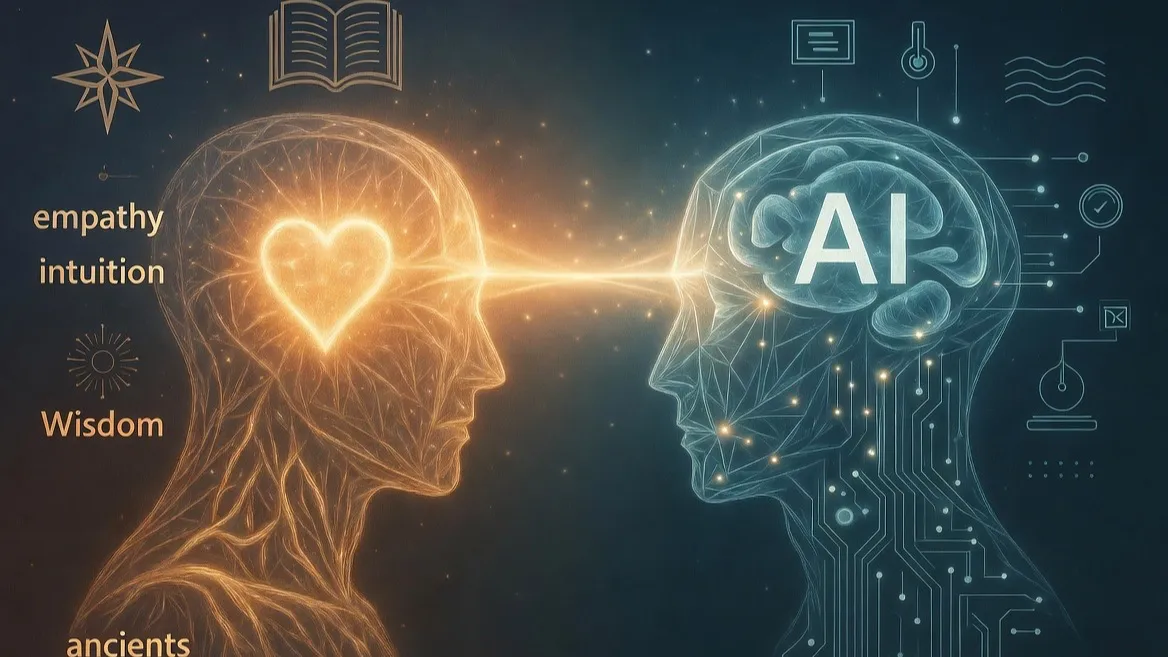
In an age where artificial intelligence has commoditized raw intelligence, processing data at speeds and scales unimaginable just decades ago, the human quest for meaning takes on new urgency. AI can crunch numbers, generate code, and even mimic creativity, but it lacks the depth of lived experience that forges true wisdom. With intelligence readily available through algorithms, where does wisdom originate? How do we preserve our innate gifts of empathy and intuition amid this technological surge? And what emerges as the "new smart" that positions humans not as competitors to machines, but as their indispensable counterparts? This article explores these questions, drawing on insights from philosophy, education, and emerging AI discourse to chart a path forward.
Intelligence as Commodity: Redefining the Human Intellect
The rise of AI has democratized intelligence, turning what was once a hallmark of human exceptionalism into a ubiquitous tool. Intelligence, often defined as the capacity for logical reasoning, problem-solving, and knowledge acquisition, is now executable by machines with unparalleled efficiency. AI systems like large language models can analyze large datasets, write essays, and solve complex equations faster than any individual. But this commoditization exposes a critical gap: intelligence alone does not equate to sound judgment or ethical insight.
Wisdom, in contrast, transcends mere data processing. It involves grasping the paradoxes of human nature, exercising moral reasoning, and applying knowledge with patience and perspective. While intelligence focuses on "how" to achieve tasks with speed and accuracy, wisdom probes the "why," considering consequences for individuals and society. As AI mirrors our cognitive abilities, it acts as a clear reminder of this distinction, forcing us to confront a "crisis of wisdom" where information abounds but meaningful application lags.
The Origins of Wisdom: Beyond Algorithms
Wisdom doesn't emerge from silicon chips or neural networks; it is rooted in the messiness of human existence. Life experiences - particularly those involving pain, failure, and interpersonal dynamics - cultivate wisdom by fostering reflection and ethical discernment. Unlike AI, which learns from patterns in data without personal stakes, humans build wisdom through emotional trials, relationships, and moral dilemmas that demand judgment beyond logic.
Cultural traditions across the globe emphasize this: from Eastern philosophies like Confucianism, which view wisdom as harmonious living, to Western ideals of practical wisdom in Aristotle's ethics. In the AI era, wisdom arises from practices such as meditation, mentorship, and community engagement - activities that encourage stepping back to see the bigger picture rather than rushing to solutions. AI may simulate responses, but it cannot embody the conscience or lived insight that defines wise decision-making.
Retaining Superior Powers: Empathy and Intuition in Focus
Humans hold a profound edge over AI in empathy and intuition—qualities forged from emotional depth and contextual understanding that machines can only simulate. Empathy involves not just recognizing emotions but genuinely feeling and responding with care, something AI lacks due to its absence of subjective experience. Studies show people prefer human empathy, even if they rate AI responses as more consistent or supportive in blind tests, highlighting a paradox where simulated care benefits users but doesn't replace authentic connection.
Intuition, similarly, draws from subconscious patterns shaped by personal values and cultural nuances, enabling quick, ethical judgments in ambiguity. To retain these powers, humans should prioritize activities that sharpen them: building diverse relationships, practicing mindfulness to enhance self-awareness, and engaging in creative pursuits that defy algorithmic prediction.
The New Smart: Humanity's Evolving Role
In the AI era, the "new smart" shifts from technical prowess to a blend of human-centric skills: curiosity, agility, empathy, and critical thinking. As AI handles routine cognitive tasks, humans excel by combining tools with judgment, fostering innovation through collaboration. This redefinition values "being human" - interpersonal skills, ethical decision-making, and a growth mindset - as the ultimate competitive advantage.
Organizations and individuals thrive by investing in these traits: leaders who cultivate empathy build resilient teams, while those adept at human-AI symbiosis drive progress. The future isn't AI versus humans but a partnership where our "soft" skills amplify technological power, ensuring advancements serve humanity's broader flourishing.
Conclusion: Embracing Wisdom for a Balanced Future
As intelligence becomes a commodity, wisdom emerges as humanity's north star, guiding us through AI's promises and perils. By teaching wisdom through reflective education, preserving empathy and intuition via intentional practices, and embracing a "new smart" rooted in our unique humanity, we can retain our superior edge. AI doesn't diminish us; it illuminates what truly makes us irreplaceable. The challenge is to steer this era with conscience, ensuring technology enhances rather than erodes the human spirit.